Art

Art – Intent, Implementation, Impact

At Andrews’ Endowed CE Primary School, Art, Craft, and Design embody some of the highest forms of human creativity. Our curriculum is designed to engage, inspire, and challenge pupils, equipping them with the knowledge and skills to experiment, invent, and create their own works of art.

Built upon the National Curriculum, our approach goes far beyond a series of isolated technical skills; it is a holistic curriculum that nurtures creative thinking, ensuring pupils learn through art as well as about art. We view Art as a vital medium for self-expression, providing children with opportunities to develop individual interests, explore personal thoughts, and celebrate their own unique identity.

As pupils progress, our intent is for them to:

  • Think critically about creative processes, asking probing questions about the diverse artists, illustrators, and architects they study.
  • Appreciate how art and design connect us with our past, help us embrace the present, and empower us to shape our future—recognising how the visual arts both reflect and shape history, contributing to the culture, creativity, and wealth of our nation.
  • Engage with the work of famous local, national, and international artists to broaden their cultural horizon and visual literacy.
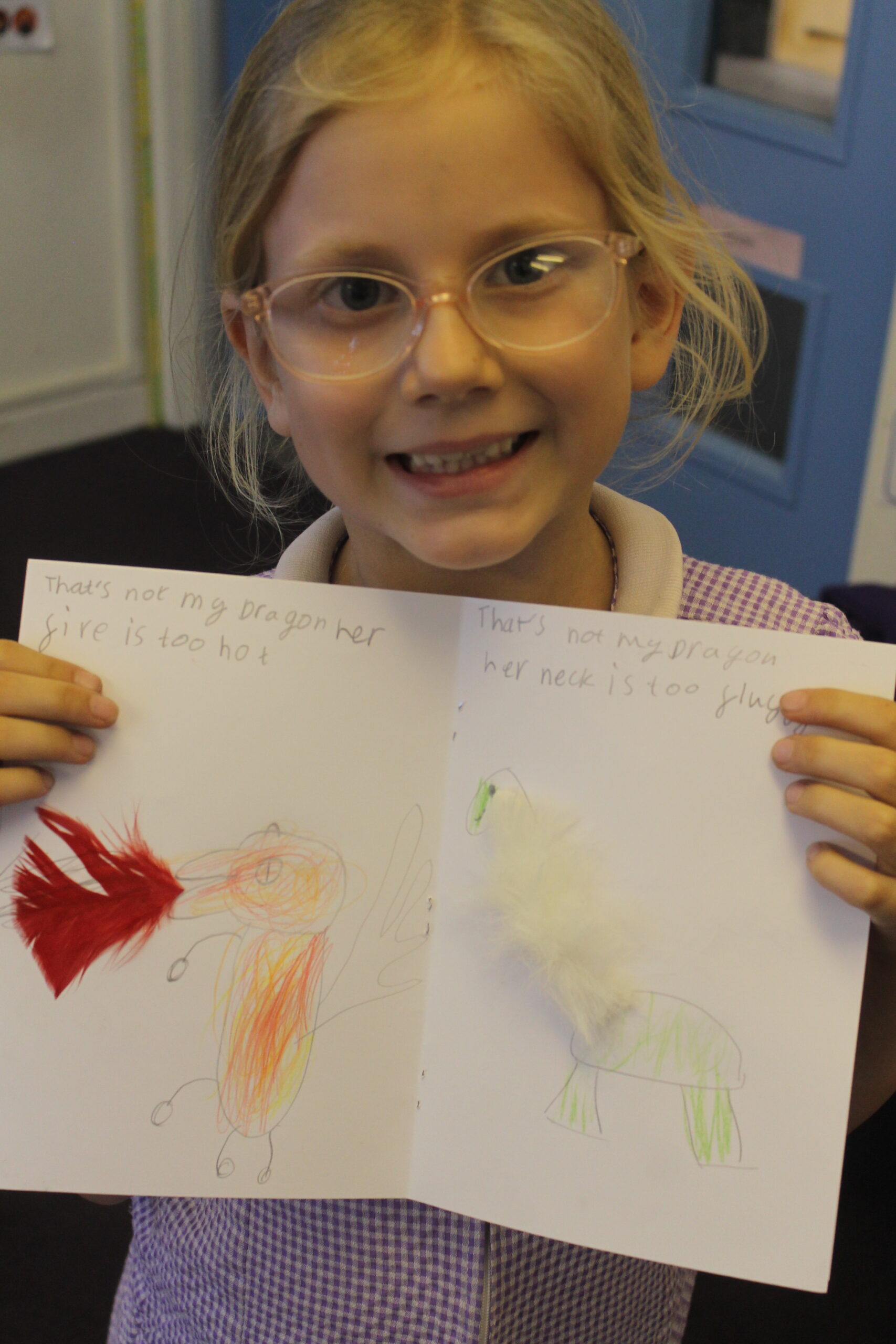
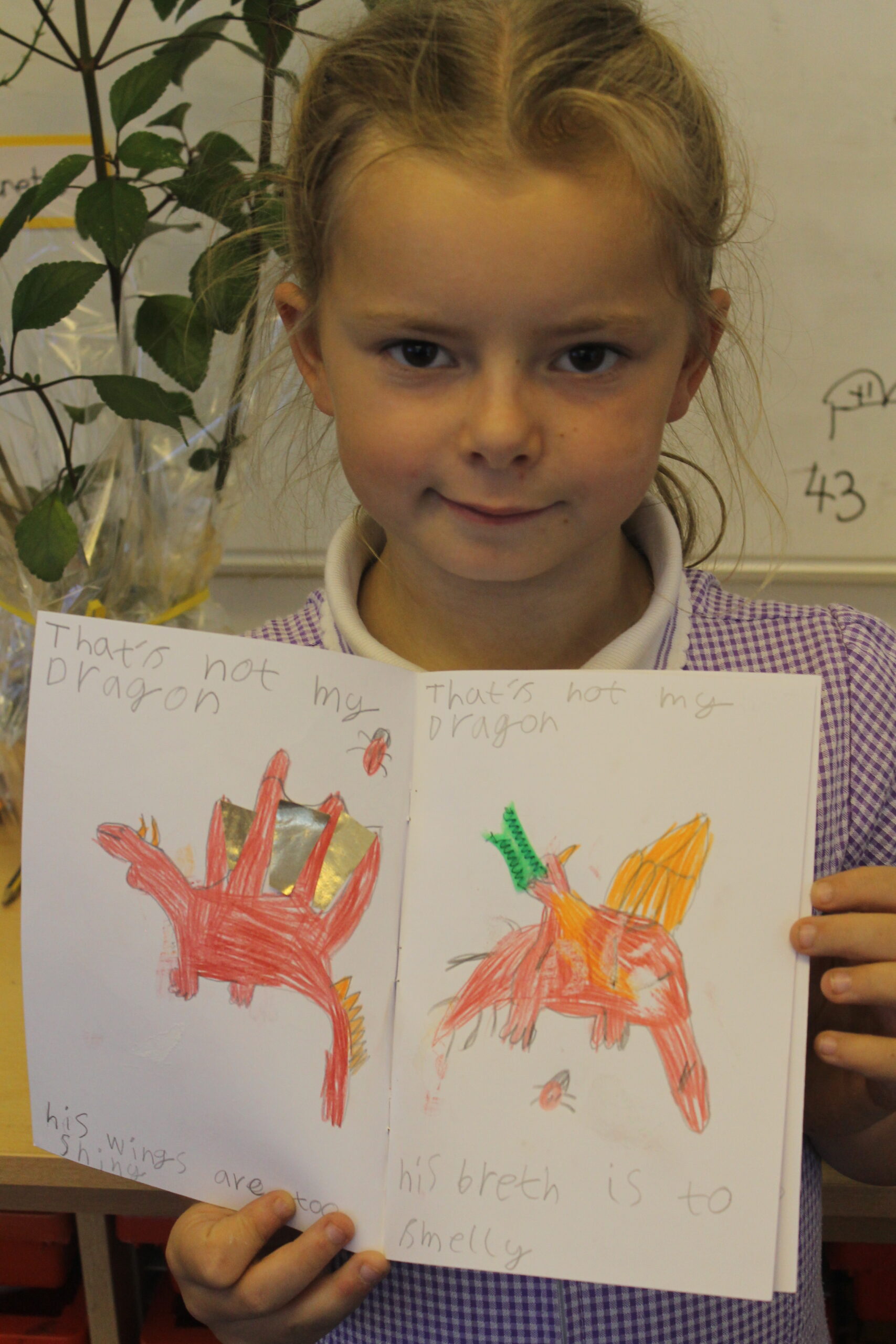
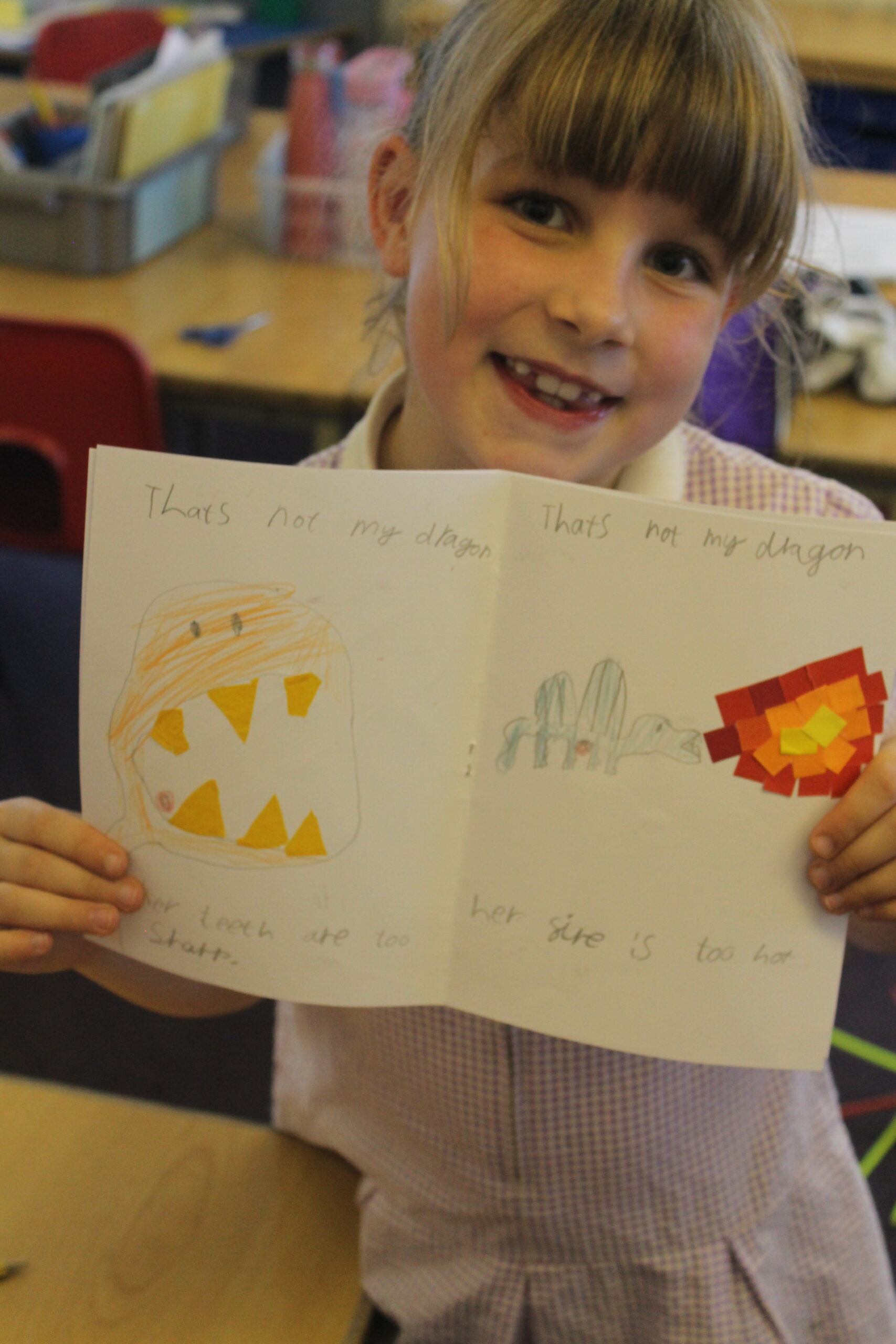
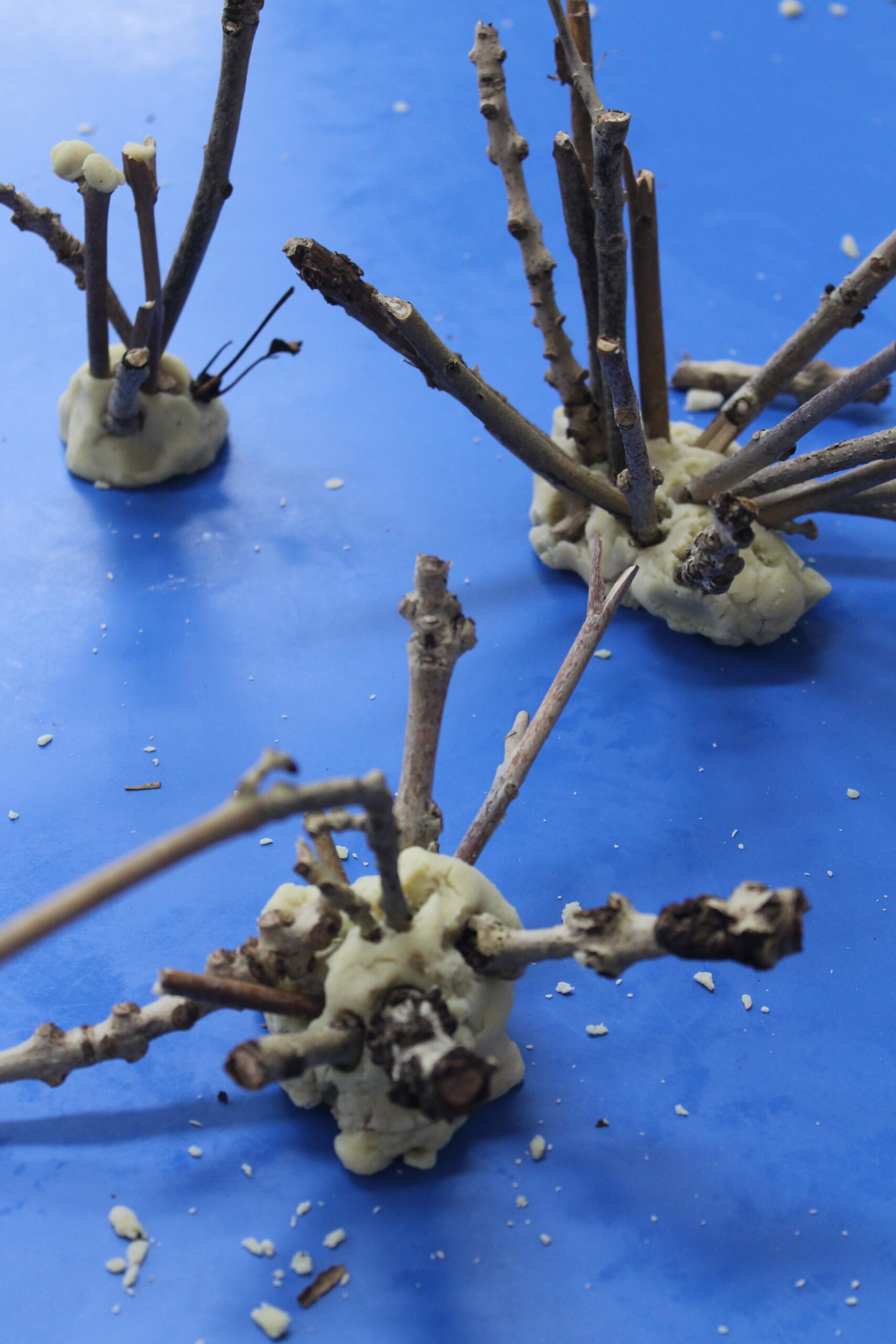
Our implementation blends hands-on practical exploration across diverse aspects of making with both discrete and cross-curricular teaching, supported by a clear and manageable assessment model:

  • We deliver high-quality art instruction both as a discrete subject and across wider thematic units, giving pupils regular opportunities to develop creativity across the whole curriculum.
  • Progression is anchored by an Assessment Portfolio illustrating core big ideas, concepts, and key milestones in practice. Used as an exemplar reference point rather than a rigid checklist, it creates a unified expectation of quality across the school.
  • To establish professional coherence in the absence of a national standard, teachers engage in comparative judgement sessions (often integrated into Book Looks). By ranking work along a continuum from weakest to strongest and collaboratively defining the threshold for “meeting the standard,” staff continuously refine their understanding of quality.
  • Team Book Looks focus on progress over time to evaluate what children’s work reveals about curriculum effectiveness and teaching adjustments, rather than assessing pupils in isolation.


The impact of our Art and Design curriculum is seen in confident, reflective, and creative learners who value their own artistic voice and appreciate the visual world around them.

  • Children develop strong visual literacy, a rich artistic vocabulary, and a deep appreciation for artistic heritage. They articulate their creative choices with confidence and take pride in the unique personal journeys captured within their sketchbooks.